
Fujiwara Teika 藤原 定家 first translation attempts
Ten initial explorations


I am planning to translate at least one, possibly two or three of Fujiwara Teika’s 100 waka sequences. As preparation I am translating small clusters of poems by Teika (or if you prefer Sadaie), his father Shunzei 藤原 俊成, Shunzei’s Daughter (actually his granddaughter) 藤原俊成女 and the monk Jien 慈円.
Here is the first cluster of ten Teika translations, all from the Shin Kokin Wakashū 新古今和歌集 SKKS. Will do another ten in August and hope to work on Shunzei as well. Note that there are additional translations of the honkadori 本歌取り (base poem) and related poems or lines in the footnotes.
春の夜の夢の浮橋とだえして峰にわかるる横雲の空
Haru no yo no yume no ukihashi todaeshite mine ni wakaruru yokogumo no sora
SKKS I:38
The spring evening’s
Floating bridge of dreams1
Has broken off
Clouds stream into sky
From the mountain ridge
—
The spring evening’s floating bridge of dreams has broken off
Clouds stream into the sky from the mountain ridge
大空は梅の匂ひに霞みつつ曇りも果てぬ春の夜の月
Ōzora wa ume no nioi ni kasumitsutsu kumori mo hatenu haru no yo no tsuki
SKKS I:40
The great sky is2
The scent of plums
Becoming hazy
Not fully clouded over
The moon on a spring night
—
The great sky is the scent of plums growing hazy
Not fully clouded over the moon on a spring night
梅の花匂ひを移す袖の上に軒もる月の影ぞ争ふ
Ume no hana nioi o utsusu sode no ue ni noki moru tsuki no kage zo arasō
SKKS I:443
Plum blossom
Scent clings to
My sleeves
Competing with the moonlight
Leaking through the eaves
—
Plum blossom scent clings to my sleeves
Competing with the moonlight leaking through the eves
霜まよふ空にしをれし雁が音の帰る翼に春雨ぞ降る
Shimo mayou sora ni shioreshi kari ga ne no kaeru tsubasa ni harusame zo furu
SKKS I:63
Confused by frost
In the leaden sky
The geese call
Returning north
Through spring rain
—
Confused by frost in the leaden sky he geese call
Returning north through spring rain
見わたせば花も紅葉もなかりけり浦の苫屋の秋の夕暮
Miwataseba hana mo momiji mo nakarikeri ura no tomoya no aki no yūgure
SKKS IV:363
Looking around
Cherry blossoms or maple leaves
Are not to be seen
Thatched huts on the inlet
In the autumn dusk
—
Looking around cherry blossoms or maple leaves are not to be seem
Thatched huts on the inlet in the autumn dusk
駒とめて袖うちはらふ影もなし佐野のわたりの雪の夕暮
Koma tometesode uchiharaukage mo nashiSano no watari noyuki no yūgure
SKKS VI:6714
Stopping my horse
Brush snow from my sleeves
No shelter anywhere
At Sano Ford5
In the snowy dusk
—
Stopping my horse brush snow from my sleeves no shelter anywhere
At Sano Ford in the snowy dusk
待つ人の麓の道は絶えぬらん軒端の杉に雪をもるなり
Matsu hito no fumoto no michi wa taenuran nokiba no sugi ni yuki o moru nari
SKKS VI:672.
Waiting for someone
Has the path at the foot of the mountains
Been cut off
The cedars by the eaves
Heavy with snow
—
Waiting for someone has the mountain path been cut off6
The cedars by the eaves heavy with snow
寒代や待つ夜の秋の風ふけて月をかたしく宇治の橋姫
Samushiro ya matsu yo no aki no kaze fukete tsuki o katashiku Uji no Hashihime
SKKS IV:420
On a cold straw mat
Waiting in the autumn
Wind blowing
Alone in the moonlight
The lady of Uji Bridge
—
On a cold straw mat waiting in the autumn wind blowing
Alone in the moonlight the lady of Uji Bridge
時わかぬ波さへ色に和泉川ははその森に嵐吹くらし
Toki wakanu nami sae iro ni Izumi-gawa hahaso no mori ni arashi fukurashi
SKKS V:5327
Time stands still8
As even the waves change colour
On the Izumi River
In the konara oak forest9
A storm blowing
—
Time stands still as even the waves change colour on the Izumi River
In the konara oak forest a storm blowing
旅人の袖吹きかへす秋風に夕日さびしき山のかけはし
Tabibito no sode fukikaesu aki kaze ni yūhi sabishiki yama no kakehashi
SKKS X:95310
The traveller’s
Sleeves blown back
By the autumn wind
In the evening light
The mountain plank bridge
—
The traveller’s sleeves blown back by the autumn wind
In the evening light the mountain plank bridge
References
Atkins, Paul S. Teika: The Life and Works of a Medieval Japanese Poet. University of Hawaii Press. 2017.
Bynner, Witter. The Chinese Translations: The Works of Witter Bynner: (The Jade Mountain and The Way of Life According to Laotzu). FSG. 1982.
Cranston, Edwin A. A Waka Anthology, Volume One: The Gem-Glistening Cup. Stanford University. 1993.
Cranston, Edwin A. A Waka Anthology, Volume Two: Grasses of Remembrance. Stanford University. 2006.
Ise Monogatari 伊勢物語 Tales of Ise: Lyrical Episodes from Tenth-Century Japan probably by Ki no Tsurayuki. Translated by Helen Craig McCullough. Stanford University Press. 1968.
Man'yōshū 万葉集 The Ten Thousand Leaves: Poems from the Man’yoshu. Translated by Ian Hideo Levy. Princeton University Press. 1971.
Owen, Stephen. The Great Age of Chinese Poetry: The High Tang. Quirin Press. 2013.
Owen, Stephen. The Late Tang: Chinese Poetry of the Mid Tenth Century. Harvard University Asia Centre. 2006
Po Chü-I (Bai Juyi) 白居易. Po Chü-I Selected Poems translated by Burton Watson. Columbia University Press. 2000.
The Floating Bridge of Dreams 夢の浮橋 is a key chapter in Genji Monogatari 源氏物語.
Waley - The Bridge of Dreams
Seidensticker and Tyler - The Floating Bridge of Dreams
Washburn - A Floating Bridge in a Dream
I believe there is a Buddhist intention in 大空 that I have not captured.
Refers to Ise Monogatari 第四段, Narihira is in an abandoned house, his lover having been taken to the capitol.
うち泣きて、あばらなる板敷に、月のかたぶくまでふせりて、去年を思ひ出でて詠める
uchi nakite abaranaru itajiki ni tsuki no katabuku made fuserite kozo wo omoiidete yomeru
“Bursting into tears, he lay down on the stripped wooden floor until the moon declined, and recalling last year, he composed:”
月やあらぬ春や昔の春ならぬわが身ひとつはもとの身にして
Tsuki ya aranu haru ya mukashi no haru naranu waga mi hitotsu wa moto no mi ni shite
The moon is it not
Spring is it not
The spring of the past
My body the same
Body as it was
Helen McCullough translation
Is not the moon the same?
The spring
The spring of old?
Only this body of mine
Is the same body. . . .
Channels Man’yōshū Book 3, Poem 265 by Nago no Okimaro 長忌寸意吉麿
苦しくも 降り来る雨か 三輪の崎 狭野の渡りに 家もあらなくに
Kurushiku mo / furikuru ame ka / Miwa no saki / Sano no watari ni / ie mo aranaku
Miserable in
The falling rain
Cape Miwa
At the Sano Crossing
Not even a house
Miserable in the falling rain Cape Miwa
At the Sano Crossing not even a house
Note: Given the two below translations I wonder if I should use Sano Ford rather than Sano Crossing.
Ian Hideo Levy translation
How troublesome the falling rain:
here at the Sano Ford on Cape Miwa
there is no house for shelter.
Edward Cranston translation
Ah, how hard it is
To be caught in this driving rain!—
For at Miwa Point,
In the fields around Sano Ford
There’s no house to be found.
I initially had ‘crossing’ for 渡り. My son’s name is Kaito 海渡 which we usually ranslate ‘Ocean Crossing’ and fords are often referred to as crossings in the interior 奥 of BC. But to make the link with earlier translaitons I switched Sano Crossing to Sano Ford.
References 古今和歌集, Vol. 14, #689
さむしろに 衣かたしき 今宵もや 我を待つらむ 宇治の橋姫
Samushiro ni / koromo katashiki / koyoi mo ya / ware o matsuramu / Uji no Hashihime [1, 2, 3]
On a cold straw mat
Sleeping alone
Again tonight
Is she waiting for me
The lady of Uji Bridge
On a cold straw mat sleeping alone again tonight
Is she waiting for me the lady of Uji Bridge
Note: This does not do justice to 衣かたしき which is likely to come up many times.
Alone under my robe
Alone under one sleeve
Under one sleeve of her robe
Under one sleeve (the alone is inferred and can be covered in a note)
On a cold straw mat
Under one sleeve
Again tonight
Is she waiting for me
The lady of Uji Bridge
On a cold straw mat under one sleeve again tonight
Is she waiting for me the lady of Uji Bridge
The difference between the five line and two line versions is intentional. ‘Has the path at the foot of the mountains’ feels too long and I wanted to try the shorter version, even though it loses part of the sense of the original.
Honkadori is Funya no Yasuhide 文屋康秀 KKS V: 250 (Book 5, Autumn Poems Part 2, Poem Number 250)
草も木も 色はかはれど わたつうみの 浪の花にぞ 秋なかりける
Kusa mo ki mo / iro wa kawaredo / watatsuumi no / nami no hana ni zo / aki nakarikeru
Grasses and trees
Change their colours
On the great sea
The waves blossom
Without autumn
Grasses and trees change their colours
On the great sea the waves blossom without autumn
Related waka SKKS V: 531 by Kujō Yoshitsune 藤原良経
柞原 しづくも色や かはるらん 森の下草 秋ふけにけり
Hahasohara / shizuku mo iro ya / kawaruran / mori no shitakusa / aki fukenikeri
Among the sawtooth oak
Would the colour of the droplets
Be changing
In the undergrowth
As autumn sets in
Among the sawtooth oak would the colour of the droplets be changing
In the undergrowth as autumn sets in
Notes:
Not really capturing 原
How to handle しづく here and generally. I don’t feel this as dew. It is the drops of moisture one finds in the underbrush after a rain, or just because the place is wet.
柞 I am trying to be specific to species when I can. Hnece ‘sawtooth oak.’
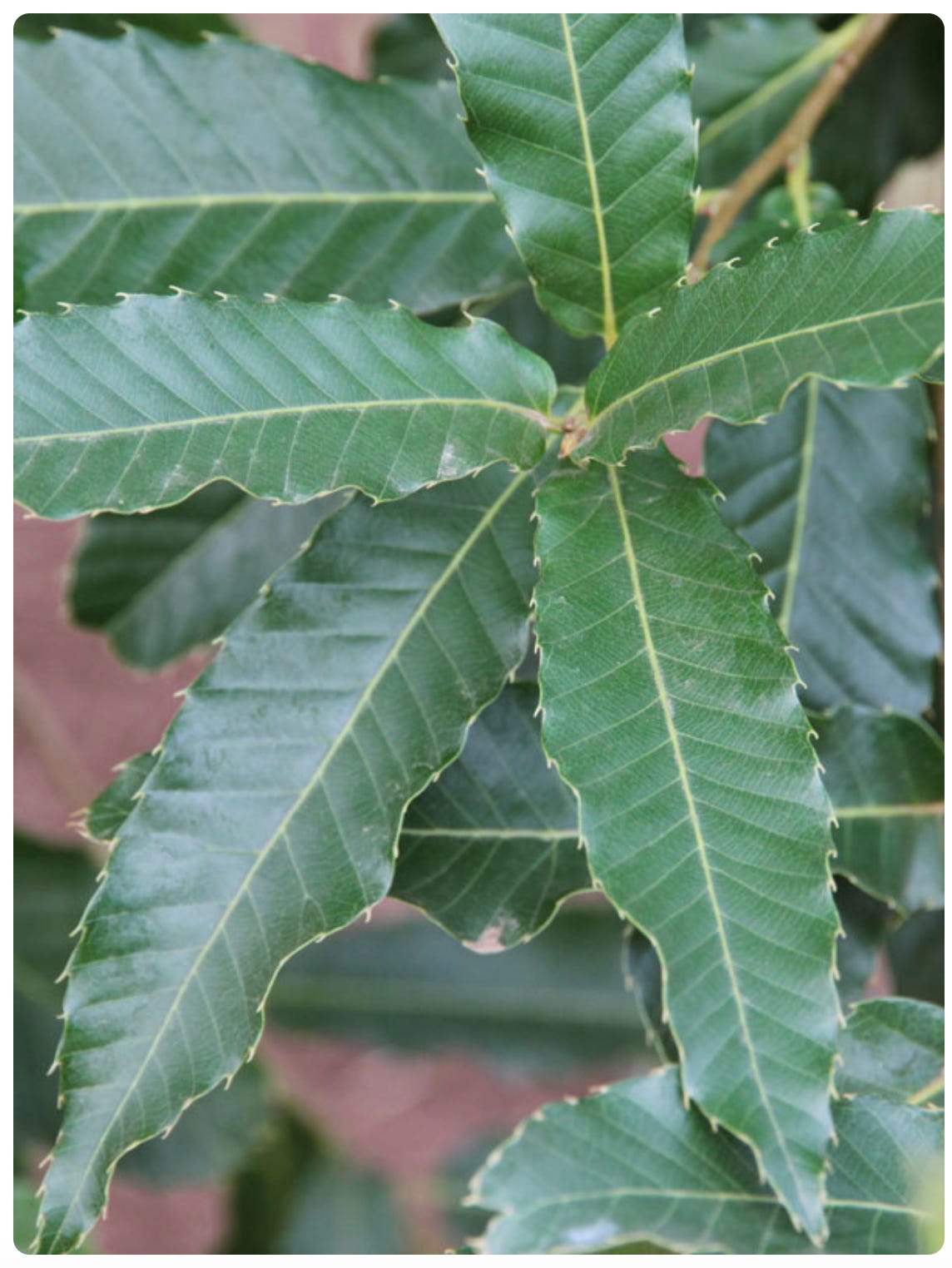
Really not sure how to do 時わかぬ … without time, beyond time, timeless …
Want to keep the type of oak specific, hence konara oak.
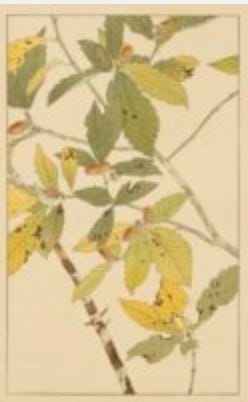
https://www.momat.go.jp/craft-museum/en/collection/rf0103-081
Honkadori from the Manyoshu Prince Shiki 志貴皇子 MYS I: 51
采女の 袖吹きかへす 明日香風 都を遠み いたづらに吹く
Uneme no / sode fuki-kaesu / Asukakaze / miyako o tōmi / itazurani fuku
Palace maidens
Sleeves blown back
The wind from Asuka
The capital is far away
Blows aimlessly
Palace maidens sleeves blown back
The wind from Asuka the capital is far away blows aimlessly
Notes: In English the meaning would be clearer if the last two lines were inverted. I may decide on that.
Palace maidens
Sleeves blown back
The wind of Asuka
Blows aimlessly
The capital far away
Palace maidens sleeves blown back
The wind of Asuka blows aimlessly the capital far away
At this point the capital had been moved from Asuka to Fujiwara.
Ian Hideo Levy translation of this poem
The Asuka wind
that fluttered the sleeves
of the court ladies—
now that the capital is far away,
it blows in vain.
References Bai Juyi
From 長恨歌 The Song of Everlasting Sorrow.
黄埃散漫風蕭索、雲桟縈紆登劍閣。峨嵋山下少人行、旌旗無光日色薄。
Yellow dust scatters, the wind is desolate
Winding up the cloud-high plank bridges, they ascend the Liang Mountains
Below Mount Emei, few travelers pass
The banners lose their luster, the sunlight grows thin
(My revision of Mantyk, also referencing Owen, I really wish Red Pine would translate Bai Juyi).
Winter Byner translation (1929)
“...the place of blood and tears
Was hidden in a yellow dust blown by a cold wind.
At the cleft of the Dagger-Tower Trail they crisscrossed through a cloud-line
Under Omei Mountain. The last few came.
Flags and banners lost their colour in the fading sunlight...”
Evan Mantyk
The yellow dust rose in the air
Upon a bleak and chilly breeze.
On winding wooden paths and clouds
Through Mount Jian’s pass, they felt unease.
Not many people traveled on
The road that runs by Mount Emei.
The banners lost their luster as
The sun went down to close the day.
https://www.classicalpoets.org/the-song-of-everlasting-sorrow-by-bai-juyi-translated-by-evan-mantyk/